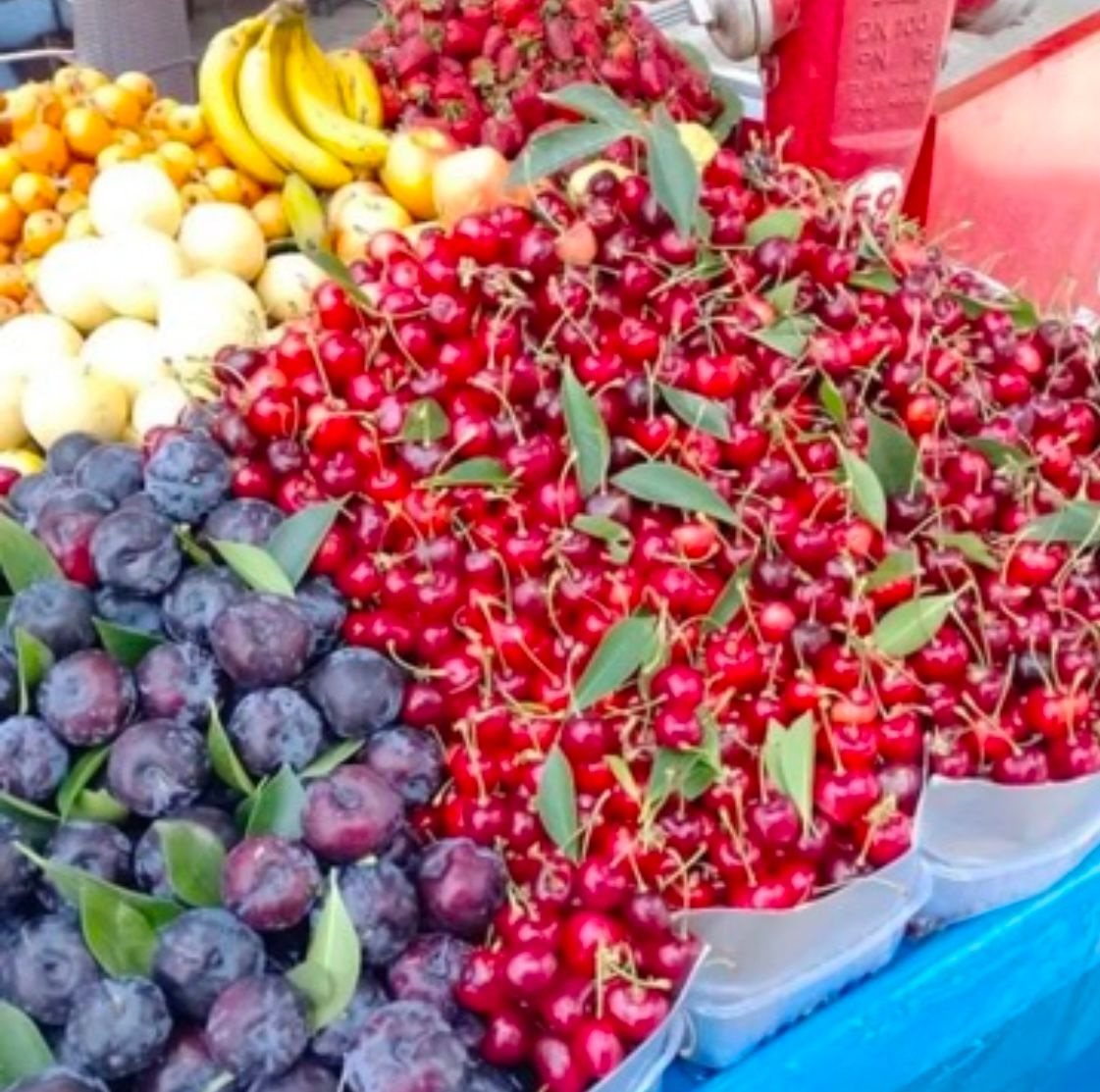
FOOD IS CLEANER OUTSIDE OF USA Why Fruits Abroad Feel Fresher (and Actually Have Seeds)
If you’ve traveled outside the U.S., you’ve probably noticed something: fruits taste richer, and yes — they actually have seeds.
In America, much of our produce is bred for convenience and shelf life, not flavor or tradition. That’s why you see seedless watermelons, grapes, and oranges everywhere. Abroad, many farmers still grow older, natural varieties — the kind our grandparents ate — which means more flavor, more nutrients, and seeds that show the fruit is the real deal.
But it’s not just about seeds. In many countries, fruits are grown with fewer pesticides, picked ripe, and sold quickly — instead of being harvested early and ripened in storage. The result? Cleaner, more vibrant food that feels like it just came off the tree.
Seeds aren’t just an inconvenience — they’re a sign of life. And for a lot of us, that’s reason enough to take a second look at what’s on our plates.
FOOD IS CLEANER OUTSIDE OF USA Why Fruits Abroad Feel Fresher (and Actually Have Seeds)
If you’ve traveled outside the U.S., you’ve probably noticed something: fruits taste richer, and yes — they actually have seeds.
In America, much of our produce is bred for convenience and shelf life, not flavor or tradition. That’s why you see seedless watermelons, grapes, and oranges everywhere. Abroad, many farmers still grow older, natural varieties — the kind our grandparents ate — which means more flavor, more nutrients, and seeds that show the fruit is the real deal.
But it’s not just about seeds. In many countries, fruits are grown with fewer pesticides, picked ripe, and sold quickly — instead of being harvested early and ripened in storage. The result? Cleaner, more vibrant food that feels like it just came off the tree.
Seeds aren’t just an inconvenience — they’re a sign of life. And for a lot of us, that’s reason enough to take a second look at what’s on our plates.