Police Brutality in usa vs outside of usa for Black Americans?
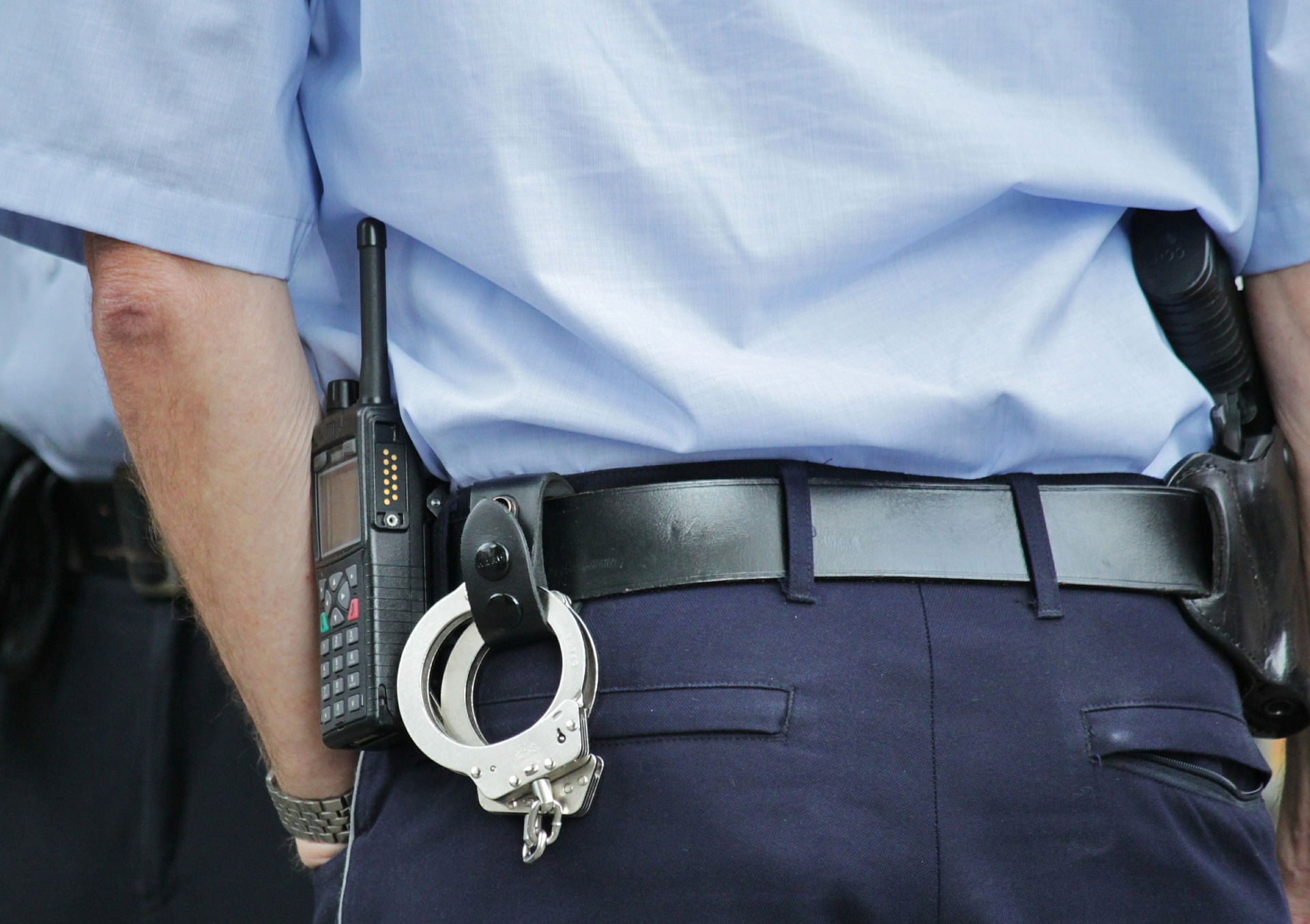
For many Black Americans, encounters with law enforcement in the United States carry a deep, generational fear. Traffic stops that should be routine can turn deadly. Protests against injustice are met with armored vehicles and tear gas. Names like George Floyd, Breonna Taylor, and Tyre Nichols have become painful reminders that the risk is real — and ongoing.
The U.S. Reality
America has one of the highest rates of police killings in the developed world. Studies and lived experience show that Black Americans are disproportionately stopped, searched, and subjected to excessive force compared to white citizens. Even small misunderstandings can escalate quickly, and justice after the fact is far from guaranteed.
The Experience Abroad
Life outside the U.S. is not without its problems — racism and bias exist everywhere — but in many countries, law enforcement is less heavily armed, less confrontational, and far less likely to use deadly force during ordinary interactions. In places like parts of Africa, the Caribbean, South America, and Europe, a police stop is more likely to end with a conversation than a tragedy.In many regions, there’s simply less of a “shoot first” culture. Officers often carry fewer weapons, rely more on mediation, and operate in communities with lower overall gun ownership. This alone dramatically reduces the likelihood of violent outcomes.
It’s Not Perfect Anywhere
Abroad, you may still face bias — sometimes for being Black, sometimes just for being a foreigner. In certain countries, police corruption or bribery can be a challenge. But for many Black Americans, the constant fear that a routine stop could cost their life is greatly diminished once they leave U.S. soil.
The Takeaway
For Black Americans seeking a life with less fear of police violence, relocating abroad can be a step toward peace of mind. While no place is flawless, the difference in day-to-day interactions with law enforcement can be significant — and, for some, life-saving.
